
Window Treatment Ideas: A Practical Guide to Curtains, Blinds, and Shades
Window treatment ideas are easy to find and surprisingly hard to act on. Bare windows make a whole room feel unfinished, but standing in the aisle (or scrolling online) with curtains, blinds, and shades all competing for your attention is its own kind of stuck. This guide untangles it.
Here is what you will get: a plain-English tour of the three families, a quick way to decide which one fits your room and budget, room-by-room ideas, and the layering trick that makes any window look custom. No jargon, no upsell.
Curtains, Blinds, and Shades: What’s the Difference?
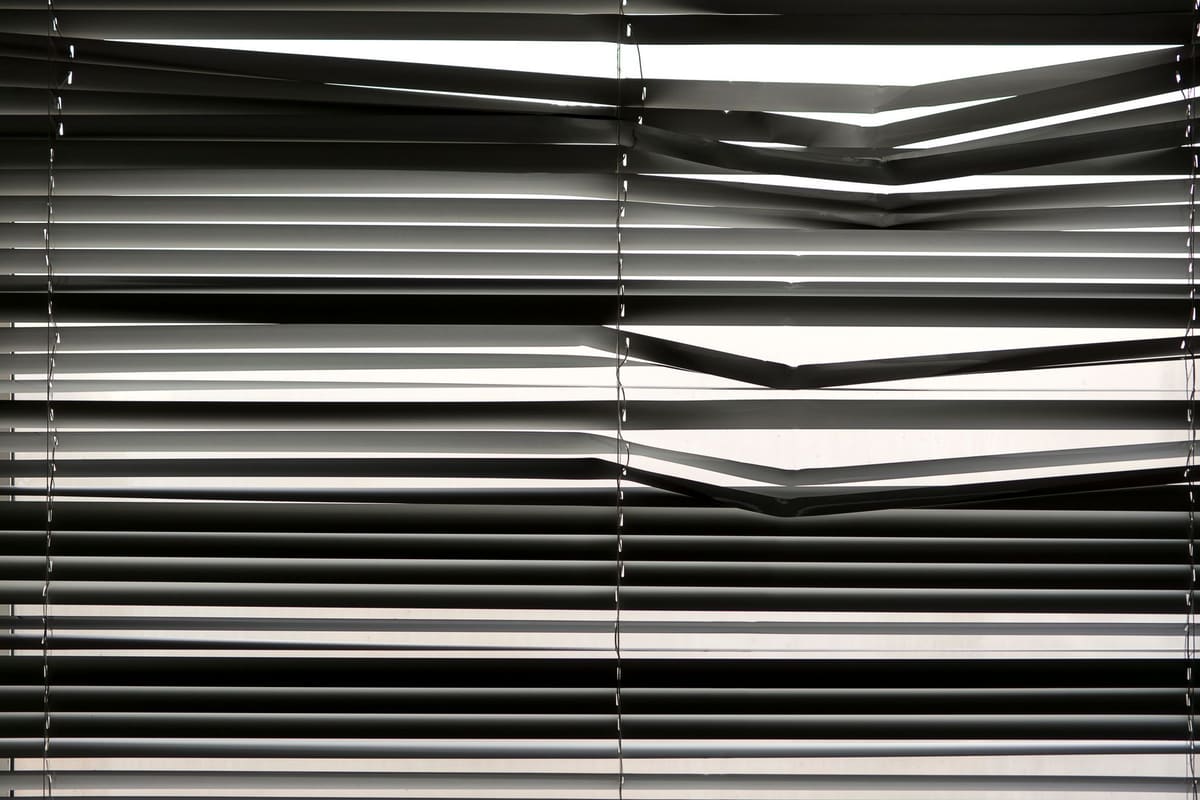 Photo by Jan van der Wolf on Pexels
Start with the basics, because the words get used loosely in stores.
Curtains and drapes are fabric panels hung from a rod, usually with rings, clips, or a rod pocket. They give the softest look, block the most light when lined, and add real warmth on a cold window. Curtains tend to feel relaxed and homey.
Blinds are hard slats made of wood, faux wood, aluminum, or vinyl that tilt open and closed. Tilting the slats lets you angle light exactly where you want it, they are usually the budget-friendly choice, and they wipe clean easily. Blinds feel crisp and tailored.
Shades are a single piece of fabric or material that raises and lowers. The family includes Roman, roller, solar, cellular (also called honeycomb), and woven or bamboo styles. Shades sit between the other two: softer than blinds, cleaner-lined than curtains. They feel streamlined.
If you want a deeper side-by-side, our full comparison of curtains, blinds, and shades goes through the trade-offs one by one.
How to Choose the Right One for Your Room
Most people pick by looks first and then discover the treatment does not do the job. Flip that. Decide by priority, then choose the style you like within that group. Your priorities are light control, privacy, insulation, budget, and style, roughly in that order.
Comparison at a Glance
| Curtains | Blinds | Shades | |
|---|---|---|---|
| Cost | Low to high, depends on fabric | Lowest for ready-made | Low to mid; cellular costs more |
| Light control | Best for full blackout (lined) | Best for angled, adjustable light | Good; blackout versions available |
| Privacy | Excellent when closed | Excellent when tilted shut | Excellent when lowered |
| Insulation | Good (lined or heavy) | Fair | Best with cellular shades |
| Cleaning | Wash or vacuum | Wipe or dust slats | Dust or spot clean |
| Best rooms | Bedrooms, living rooms | Kitchens, bathrooms, offices | Nearly anywhere |
The U.S. Department of Energy notes that how well a covering insulates depends on its construction and how tightly it fits the window. That is why cellular shades, with their air-trapping cells, lead the pack, and heavy lined curtains are a strong second.
If You Want ___, Choose ___
- If you want real darkness for sleeping, choose lined or blackout curtains.
- If you want precise control over glare, choose blinds.
- If you want the best insulation, choose cellular shades.
- If you want a soft look on a tight budget, choose ready-made curtains on a simple rod.
- If you want clean lines with a little texture, choose woven or Roman shades.
Window Treatment Ideas Room by Room
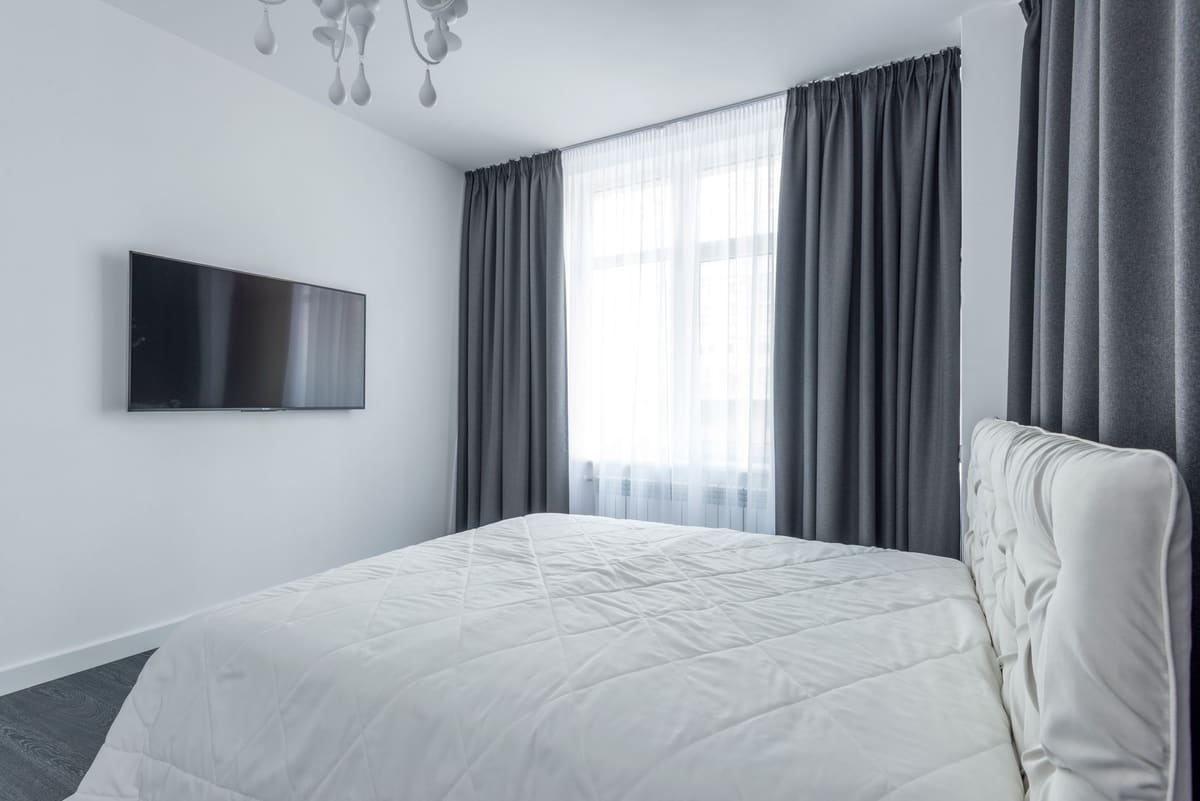 Photo by Max Vakhtbovych on Pexels
Living Room
Layered drapery plus a roller or woven shade is the classic answer. Hang floor-length panels high and wide so they frame the window rather than crowd it, and let the shade handle daytime glare.
Bedroom
Go for blackout curtains or blackout-lined Roman shades. If your bedroom is drafty or sits on the sunny side of the house, add cellular shades underneath for insulation.
Kitchen
Splash zones need easy-clean materials. Faux-wood blinds, café curtains that cover only the lower half of the window, or roller and solar shades all hold up near sinks and stoves. Skip long fabric panels that will meet grease and steam.
Bathroom
Moisture rules here. Faux wood, vinyl blinds, frosted window film, and top-down shades (which lower from the top so light comes in while privacy stays intact) all work well. Avoid real wood and untreated fabric.
Home Office or Media Room
Solar shades cut glare on your screen while keeping some view. If you watch movies in the same room, add blackout panels or a blackout roller you can pull down on demand.
Small or Awkward Rooms
Keep it light and simple. Sheer or light-colored treatments and a rod hung high keep the room feeling open. Heavy patterns and deep colors on a small window can make it feel smaller.
The Layering Trick That Makes Any Window Look Custom
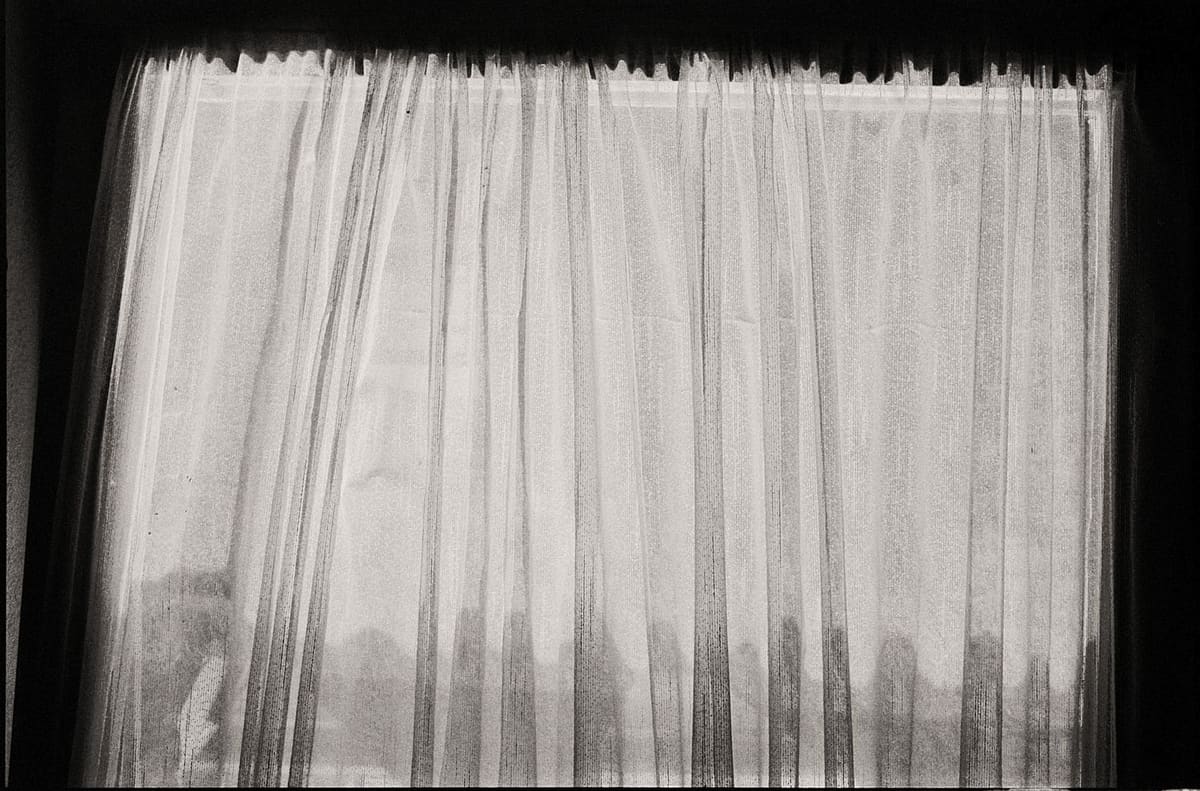 Photo by Emmanuel Codden on Pexels
Layering is the closest thing to a designer shortcut. Soft plus structured gives you flexible light control and instant depth. In the morning you can raise the shade for light, at night pull the curtains closed, and in between you have a dozen combinations.
Go-to combinations:
- Sheers plus heavier panels. Sheers diffuse daylight and preserve privacy, and the panels close for night.
- A blind or shade mounted inside the frame, curtains outside. The most popular layered look and the easiest to live with.
- A woven shade plus drapery. Adds texture and a natural note that suits almost any style.
To keep layers from looking cluttered, echo one color across them (a shade in the same tone as the wall, for example) and keep hardware minimal. Choose one finish for rods and brackets and stick with it. Our guide on how to layer curtains shows the step-by-step setups in more detail.
Renter- and Budget-Friendly Window Treatment Ideas
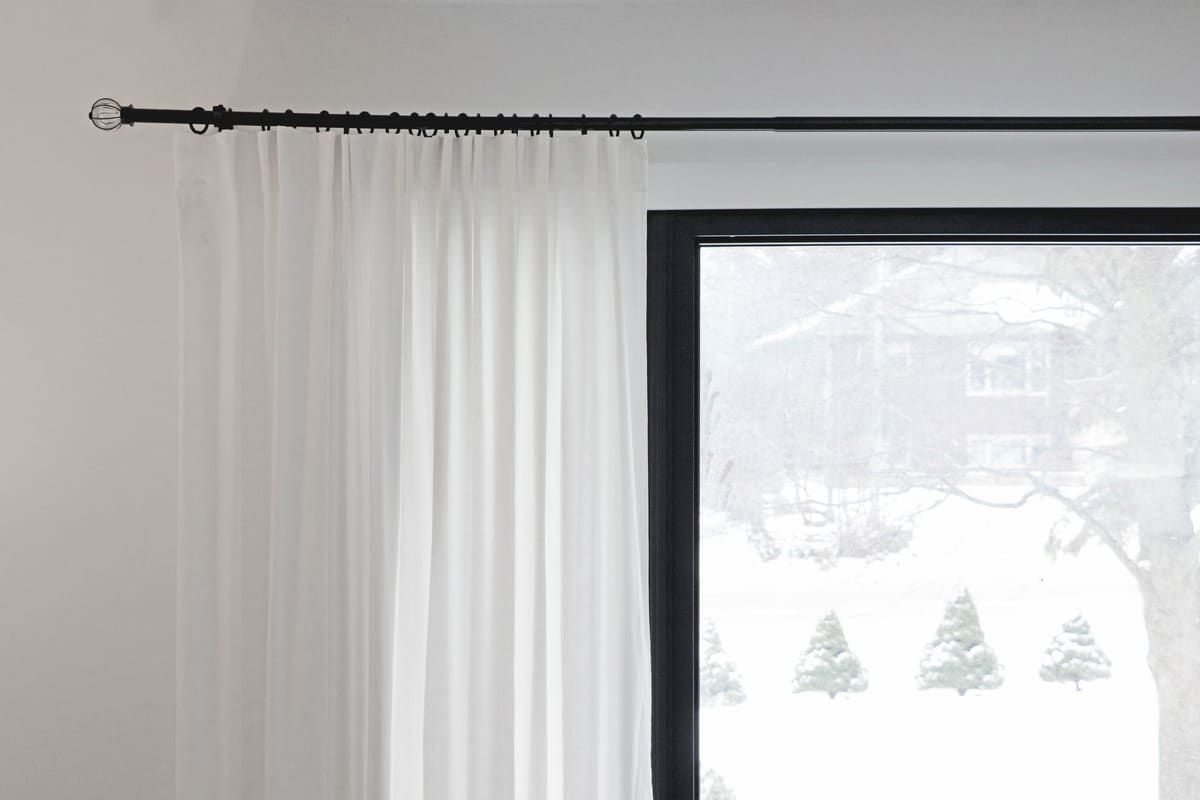 Photo by Designecologist on Pexels
Not every window can take a drill, and not every budget can take custom work. Both are solvable.
No-Drill and Damage-Free Options
- Tension rods fit inside a window frame and hold light curtains or café panels with no hardware.
- Adhesive hooks can hold lightweight rods, though check the weight rating first.
- Magnetic rods are ideal for metal door frames and some steel windows.
For more ideas that will not cost you your deposit, see our roundup of renter window treatments.
Cut-to-Size and Temporary
Pleated paper shades and cut-to-size roller shades install in seconds and come off just as easily. Window film or static clings add privacy and soften glare without any hardware at all.
Where to Spend and Where to Save
Splurge on the panels you see most, usually the living room and primary bedroom. Save with off-the-shelf blinds in the kitchen, bathroom, and guest rooms. More ideas are in our budget window treatments guide.
Ready-Made Length Hacks
Store-bought curtains often come up short. Hang the rod higher than you think you need to, so the panels reach the floor. If they are still short, add a contrasting band of fabric at the hem, which looks deliberate rather than like a mistake.
Measure and Hang Like a Pro
A few basic rules turn store-bought treatments into something that looks custom.
Inside versus outside mount. An inside mount sits within the window frame for a clean, built-in look. An outside mount sits on the wall or trim, covers more of the window, and blocks more light. Deep frames suit inside mounts; shallow frames or crooked windows suit outside mounts.
High and wide. Hang the rod a few inches above the window frame (or close to the ceiling) and extend it 6 to 12 inches past each side. Panels then hang beside the glass rather than in front of it, and the window looks larger and the ceiling taller. Our step-by-step on how to hang curtains covers brackets, spacing, and stud finding.
Get the length right. Panels should either just kiss the floor, hover a fraction of an inch above it, or puddle intentionally. What you want to avoid is floating a few inches short, which reads as a mistake. To choose the right curtain length, measure from the rod to the floor and add or subtract for your preferred style.
Frequently Asked Questions
What is the difference between curtains, blinds, and shades?
Curtains are fabric panels that give a soft look and the best blackout and warmth. Blinds are tilting slats that offer adjustable light and a budget-friendly price. Shades are a single piece of material that raises and lowers, giving a clean, in-between look.
Are blinds or curtains better?
It depends on your priority. Blinds win on adjustable light and cost, while curtains win on full darkness, warmth, and a soft feel. Layering both gives you the best of each.
What is the most energy-efficient window treatment?
Cellular (honeycomb) shades are the most energy-efficient, because their air-trapping cells insulate best. Heavy lined curtains that fit closely to the window are a strong second.
What are the cheapest window treatment ideas?
Ready-made roller or Roman blinds, cellular shades, tension-rod curtains, and privacy window film are all budget-friendly. They avoid the custom pricing that drives most window treatment budgets up.
What window treatments are best for renters?
Choose no-drill options such as tension rods, adhesive hooks, magnetic rods, cut-to-size temporary shades, and removable window film. All of them come down cleanly at move-out.
How do I make my windows look bigger?
Hang curtains high, close to the ceiling, and wide, extending past the frame on each side. The glass then looks larger and the ceiling taller.
Can you layer blinds or shades with curtains?
Yes. Mounting a blind or shade inside the frame with curtains outside it is the go-to layered look. It gives you flexible light control and real depth.
What window treatments are best for a bedroom?
Blackout curtains or blackout-lined Roman shades give the darkest sleep. Add cellular shades if you also want insulation.
Ready to Dress Your Windows?
Pick by priority first, then by style. Layer when you can, and remember that renter-friendly options exist for every window. Start with the room that bothers you most, and let one good decision there set the tone for the rest of the house.
Want more do-it-this-weekend guides? Browse everything in our Decorating section, and sign up for the newsletter to get new ideas in your inbox.


